



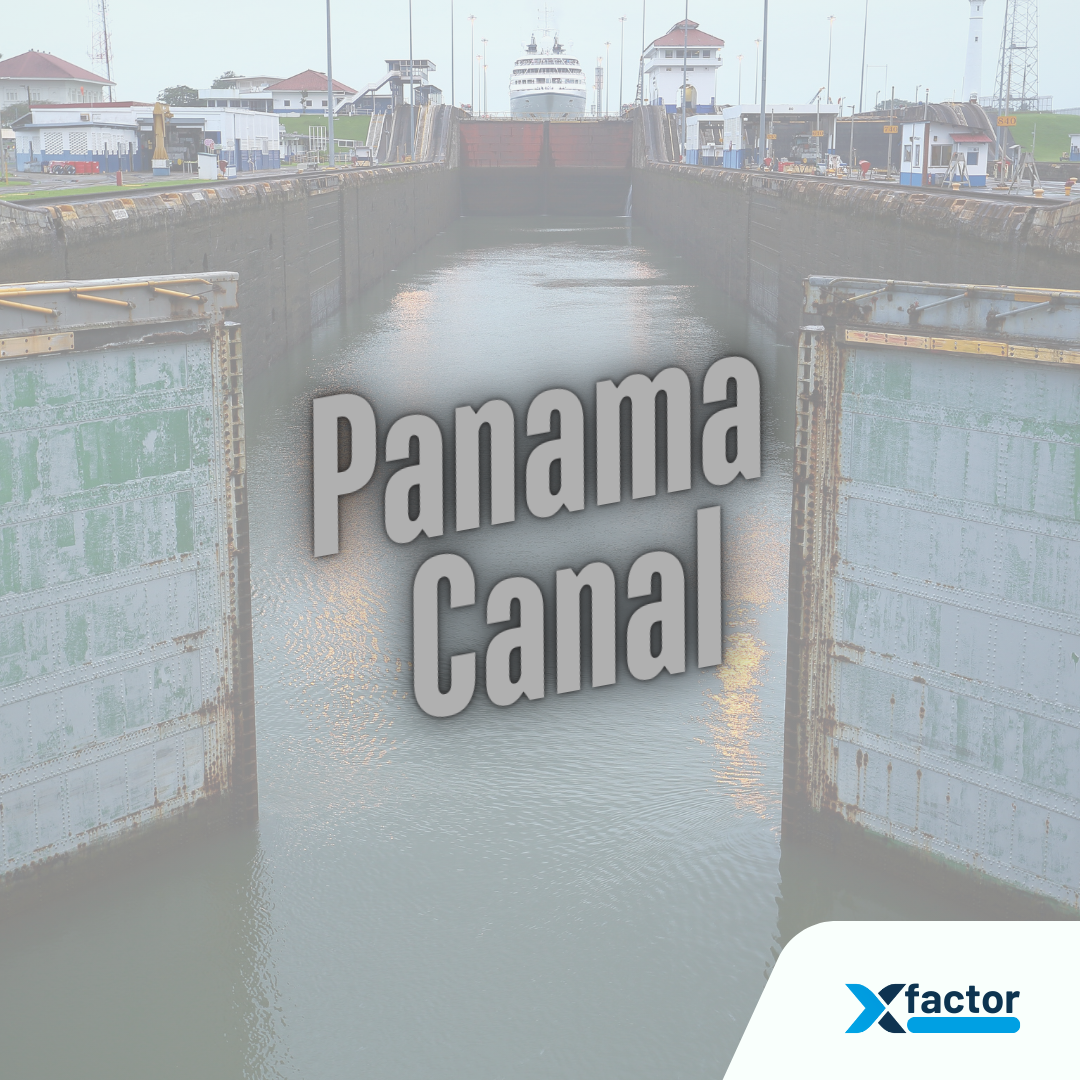
The Panama Canal represents one of the most critical engineering achievements in modern maritime history, fundamentally reshaping global commerce by connecting the Atlantic and Pacific Oceans across the Isthmus of Panama. By eliminating the perilous 8,000-nautical-mile voyage around Cape Horn, the canal saves carriers up to 22 days of transit time, dramatically reducing vessel fuel consumption and maritime carbon emissions.
Key Takeaway: The Panama Canal handles approximately 6% of global maritime commerce and over 40% of US container traffic, serving as the indispensable corridor for Asia-to-US East Coast trade.
1. Route Comparison: Panama Canal vs. Alternative Maritime Routes
| Route Corridor | Distance (Nautical Miles) | Typical Transit Duration | Strategic Constraint |
|---|---|---|---|
| Via Panama Canal | ~5,000 NM (NY to Tokyo) | ~20 - 24 Days | Neopanamax draft & reservation slots |
| Via Cape Horn (South America) | ~13,000 NM | ~42 - 48 Days | Severe southern ocean weather & high fuel costs |
| Via Suez Canal | ~11,500 NM | ~35 - 40 Days | Geopolitical exposure & regional chokepoints |
2. Strategic Importance for Modern Supply Chains
- US East Coast & Gulf Coast Connectivity: The Neopanamax expansion allows container vessels carrying up to 14,000 TEUs to service ports including New York/New Jersey, Savannah, Houston, and Miami directly from Asian manufacturing hubs.
- Agricultural & Energy Commodities: Critical export route for US liquefied natural gas (LNG), LPG, grain, and Chilean copper to Asian consumer markets.
- Draft Management & Climate Resilience: Seasonal rainfall fluctuations require sophisticated water-saving basins and dynamic draft adjustments by the Panama Canal Authority (ACP).
Pro Tip: Freight forwarders with pre-booked allocation slots and multimodal contingency options mitigate seasonal canal reservation wait times during peak shipping quarters.
Optimize Your Maritime Corridors: Contact the ocean freight team at Marinex Logistics to structure dependable container routing through the Panama Canal and alternative trade lanes.